
HOME > OUR JOURNEYS > BROWSE BY CITY > LUCKNOW
LUCKNOW
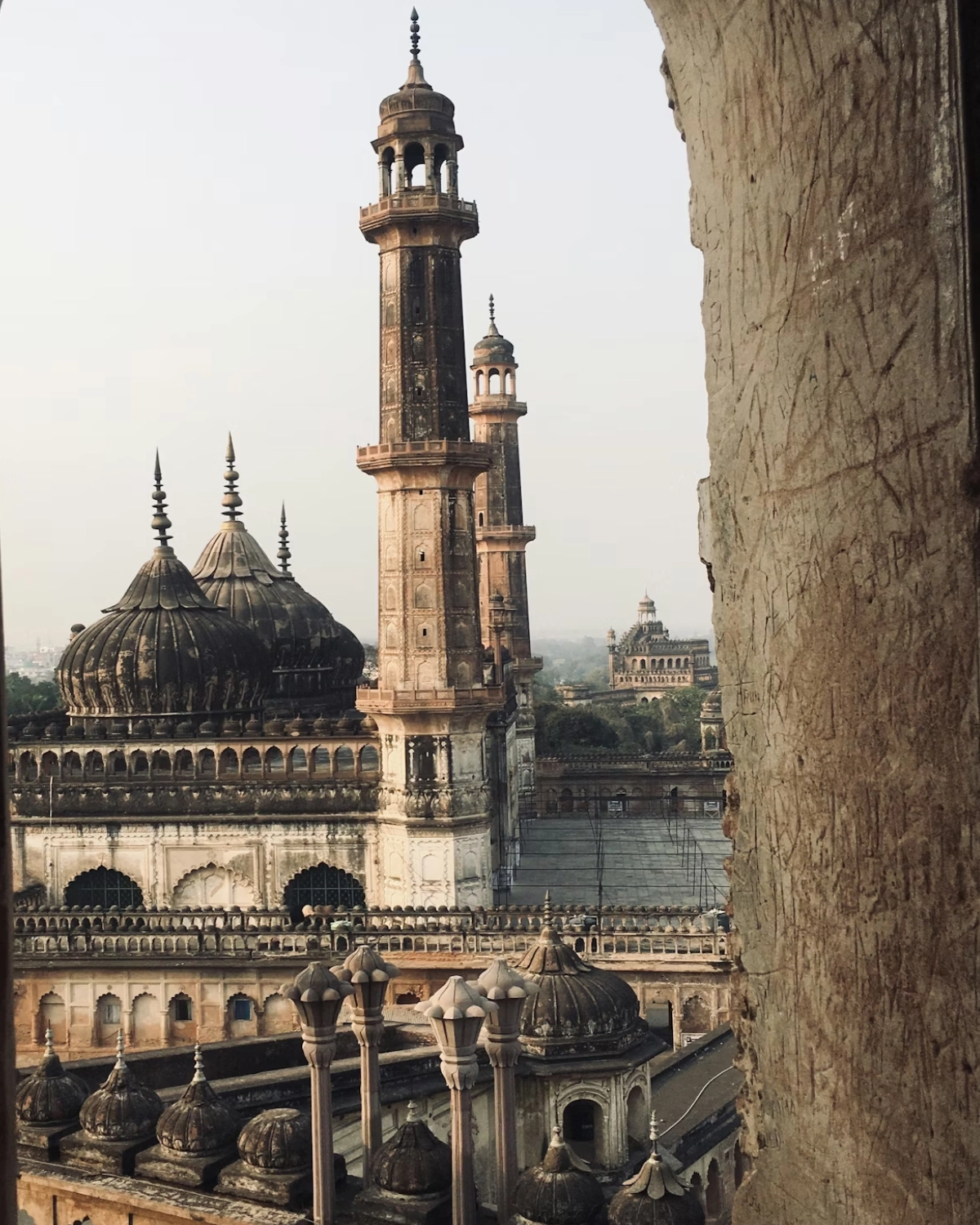
Lucknow is often celebrated for its poetry, cuisine, and refined culture, but one of its greatest treasures lies in its remarkable architectural heritage. The city represents a beautiful blend of Mughal, Persian, Turkish, and European influences, shaped primarily during the reign of the Nawabs of Awadh in the 18th and 19th centuries. Walking through Lucknow feels like entering a living museum where every monument, gateway, courtyard, and palace narrates stories of royalty, artistry, and cultural sophistication.
One of the most fascinating facts about Lucknow’s architecture is that much of it was built not only for grandeur but also as part of a massive famine relief effort. During the great famine of 1784, Nawab Asaf-ud-Daula initiated the construction of monumental buildings to provide employment to thousands of people. The most famous outcome of this initiative was the magnificent Bara Imambara, one of the largest arched constructions in the world without the support of iron beams or pillars. Its central hall remains an engineering marvel even today.
The Bara Imambara is also famous for its mysterious “Bhool Bhulaiya” or labyrinth. This intricate network of narrow passages, hidden stairways, and interconnected corridors was designed both as an architectural feature and a defensive mechanism. Visitors often find themselves amazed at how voices echo through the corridors and how small sounds can travel unexpectedly across the structure. This clever acoustic engineering demonstrates the advanced understanding of sound and spatial design possessed by architects of that era.
Lucknow’s architecture is deeply influenced by Persian aesthetics. Large arched gateways, stucco ornamentation, delicate floral motifs, and symmetrical gardens can be seen throughout the city. The iconic Rumi Darwaza, often called the “Turkish Gate,” is one of the finest examples of Awadhi architecture inspired by Ottoman design. Standing nearly 60 feet tall, this majestic gateway once marked the entrance to the royal city and remains one of Lucknow’s most recognizable landmarks.
Unlike the red sandstone dominance seen in Delhi or Agra, Lucknow’s architecture often features pale stucco finishes and lime plaster decorations that create a softer and more graceful visual identity. Intricate plasterwork became a signature feature of Nawabi architecture, allowing artisans to create delicate floral carvings, arabesque patterns, and ornamental details at relatively lower costs while maintaining royal elegance.
Lucknow is also known for its beautiful gardens and open planning concepts. The Nawabs believed architecture should harmonize with nature, resulting in sprawling courtyards, water bodies, landscaped gardens, and airy pavilions. Many heritage complexes were designed to create visual symmetry and cooling effects suitable for the North Indian climate. Even today, these spaces provide a sense of calm and timeless beauty.